Global labour shortages are increasingly shaping how international employers approach workforce planning and long-term operations. For many years, labour scarcity was widely regarded as a cyclical issue—one that would ease once economic growth slowed, wages adjusted, or productivity improved. In practice, this assumption no longer reflects reality.
Across Europe, East Asia, and other developed economies, workforce gaps persist regardless of economic cycles. Even during periods of modest growth or stagnation, employers continue to struggle with unfilled positions, delayed projects, and operational bottlenecks. These patterns indicate that labour shortages are no longer temporary disruptions, but structural constraints embedded in modern labour markets.
From the perspective of a manpower provider with more than a decade of experience supplying Vietnamese workers overseas, the persistence of these shortages is neither surprising nor accidental.

Demographic Pressures Driving Global Workforce Shortages
Demographics sit at the core of today’s labour challenges. In most developed economies, population ageing has reached a point where workforce replacement is structurally insufficient. Retirements consistently outpace the entry of new workers, particularly in sectors that rely on manual, technical, or shift-based labour.
Lower birth rates, longer life expectancy, and declining participation among younger generations have permanently reduced the size of the domestic workforce. This demographic imbalance affects not only low-skilled occupations, but also technically trained roles that require physical presence and on-site execution.
Government-led initiatives—such as extending retirement ages or encouraging workforce participation—have produced only marginal results. While these measures may delay the impact of workforce shortages, they do not reverse the long-term demographic trajectory. As a result, global workforce shortages continue to widen, independent of short-term economic conditions.
Why Higher Wages Alone Cannot Resolve Global Labour Shortages
In response to recruitment difficulties, many employers instinctively raise wages or enhance benefits. While financial incentives remain effective in certain specialised roles, they have shown diminishing returns across large segments of the labour market.
In several European countries, wages in construction, logistics, and manufacturing have increased significantly over the past decade, yet vacancy rates remain stubbornly high. This reflects a deeper structural issue: the shortage is no longer driven solely by pay levels, but by shifting social expectations and career preferences.
Younger workers in developed economies increasingly avoid physically demanding or repetitive occupations, regardless of compensation. As a result, even competitive wages fail to attract sufficient domestic labour. This dynamic reinforces the structural nature of global labour shortages and limits the effectiveness of purely domestic solutions.
International Labour Mobility as a Strategic Response
As domestic labour pools contract, international labour mobility has become an essential component of workforce strategy rather than a supplementary option. However, successful overseas labour sourcing requires more than numerical availability.
International employers are increasingly selective, prioritising:
-
Workforce stability and retention
-
Trainability and adaptability
-
Regulatory compliance and transparency
-
Cultural compatibility within multinational teams
Vietnam has gradually emerged as a labour-supplying country capable of meeting these criteria, particularly for employers seeking sustainable solutions to long-term workforce shortages rather than short-term staffing fixes.
Vietnam’s Workforce Position Within Global Labour Shortages
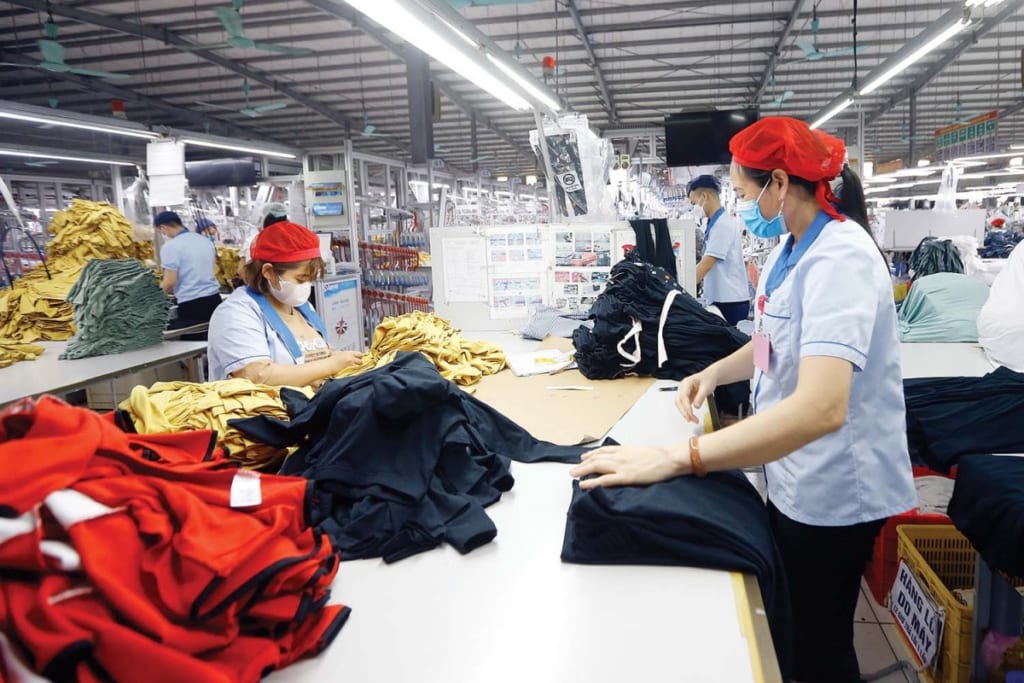
Vietnam’s labour force offers a rare combination of demographic resilience and industrial experience. With a relatively young working-age population and decades of participation in manufacturing, construction, and industrial services, Vietnamese workers are accustomed to structured, process-driven environments.
Vietnam’s long-standing integration into global supply chains has produced a workforce familiar with productivity standards, workplace discipline, and compliance requirements. For overseas employers, this reduces onboarding risks and shortens adjustment periods—critical factors when addressing global labour shortages at scale.
From practical experience, Vietnamese workers demonstrate strong adaptability to host-country regulations and operational cultures, particularly in European markets where procedural compliance is a non-negotiable requirement.
The Shift from Short-Term Hiring to Long-Term Workforce Planning
One of the most significant changes observed among international employers is the shift away from ad-hoc recruitment towards structured workforce planning. Labour is increasingly recognised as a strategic asset rather than a variable cost.
Employers facing persistent global workforce shortages are prioritising continuity, workforce integration, and retention. This shift aligns closely with Vietnam’s labour deployment model, which typically emphasises structured recruitment programmes, pre-deployment preparation, and clearly defined employment frameworks.
Such approaches reduce turnover, stabilise operations, and mitigate the hidden costs associated with repeated recruitment cycles—costs that are often underestimated when labour shortages persist over time.
Compliance and Risk Management in Overseas Labour Sourcing
As regulatory scrutiny intensifies worldwide, compliance has become a central consideration in international labour deployment. Improper sourcing practices can expose employers to legal penalties, operational disruption, and reputational damage.
Vietnam’s labour export framework, while sometimes perceived as administratively demanding, offers a level of regulatory clarity that benefits serious employers. Government oversight, standardised documentation, and formal deployment processes enhance transparency and accountability.
For organisations operating under ESG requirements and strict labour regulations, these structures reduce risk and support long-term workforce sustainability amid ongoing global labour shortages.
Vietnam’s Strategic Role Amid Ongoing Global Labour Shortages
Looking ahead, demographic trends suggest that global labour shortages will intensify rather than subside. Automation and digitalisation will reshape job profiles, but they will not eliminate the need for human labour in essential operational roles.
Vietnam is well positioned to strengthen its role as a strategic manpower partner over the next decade. The focus is expected to move further away from volume-based recruitment towards workforce quality, retention, and long-term integration.
For experienced manpower providers, this evolution reinforces the importance of advisory capabilities—supporting employers not only with recruitment, but with workforce planning, compliance management, and long-term deployment strategies.
Implications for International Employers
Employers who continue to treat labour shortages as temporary disruptions risk recurring operational constraints. Those who recognise the structural nature of global workforce shortages are already adapting their strategies—diversifying labour sources, building long-term partnerships, and prioritising workforce stability.
Within this context, Vietnam offers a compelling proposition: not as a low-cost alternative, but as a reliable, scalable, and compliant solution to the structural challenges created by global labour shortages.